
Dr. Benjamin Bailey
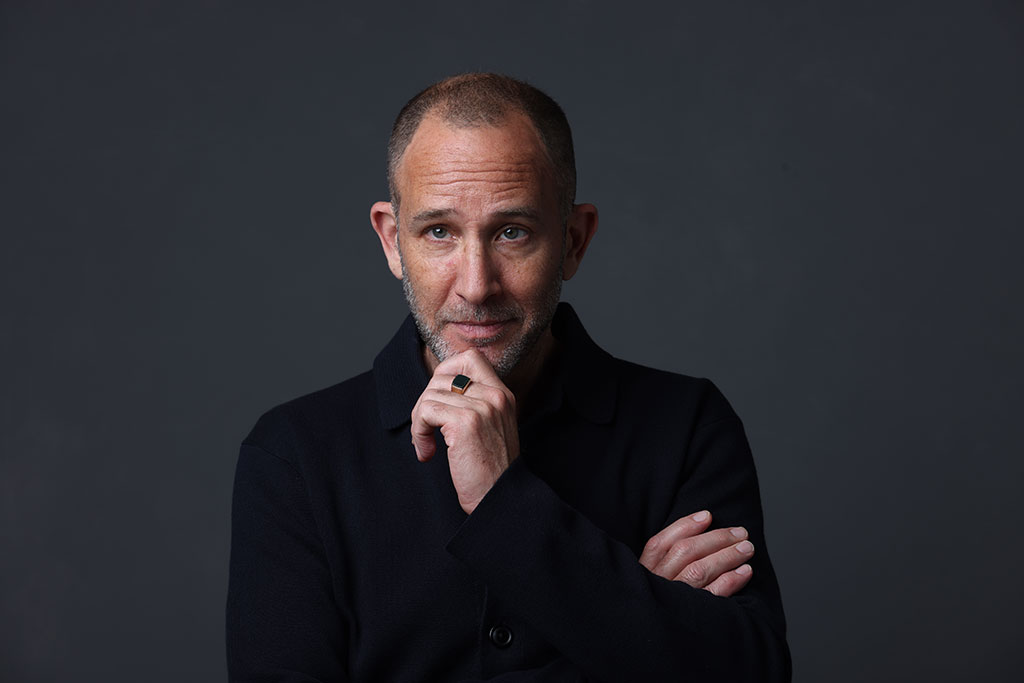
Dr. Benjamin Bailey is a psychotherapist, researcher, educator, and social activist whose work has been guided by one central question: How can men build more satisfying relationships and live healthier lives?
For more than three decades, he has worked with individuals, couples, fathers, families, and professionals, exploring the psychological, relational, and social forces that shape men's wellbeing.
His work bridges clinical practice, academic research, public education, and technological innovation, with the goal of making psychological knowledge more accessible, understandable, and useful - helping more men flourish in their own lives, their relationships, and their communities.
Professional Work
Psychotherapist
For nearly three decades, Benjamin has worked as a psychotherapist, supporting individuals, couples, fathers, and families through relationship difficulties, family conflict, life transitions, and personal growth. His clinical work continues to inform his research, writing, and public education.
Researcher
As a researcher and lecturer at the Western Galilee Academic College, his work focuses on masculinity, fatherhood, domestic violence, child maltreatment, and the changing roles of men in contemporary society. His research seeks to bridge scientific evidence with the realities of men's everyday lives.
Training & Public Speaker
Beyond his academic teaching, Benjamin provides professional training for clinicians and educators and lectures to professional and public audiences. A central aim of his work is to translate psychological research, clinical experience, and the realities of men's lives into knowledge that helps strengthen relationships, families, and communities.
Social Activism
As the voluntary Chairman of By Your Side (Le'Tzidchem), Benjamin advocates for boys' and men's wellbeing through community initiatives and parliamentary engagement, working to advance evidence-informed policy, services, and professional practice in fatherhood, domestic violence, and family relationships.
Building Resources for Men
Benjamin founded or co-founded four initiatives that reflect different approaches to the same mission: helping improve men's wellbeing through support, research, education, and innovation.
Healthy Masculinity Center (2026)
An evidence-informed educational platform exploring masculinity, relationships, fatherhood, identity, and wellbeing.
MaleBeing (2026)
An AI-based coaching app that helps men strengthen relationship and communication skills through guided reflection and practical simulations.
By Your Side (2014)
An Israeli nonprofit organization providing support and advocacy for men in distress while promoting greater recognition of boys' and men's wellbeing.
Safe Closeness (2000)
A male-friendly family violence prevention clinic dedicated to the prevention of family violence through treatment and public education.
Selected Work
Book
Bailey, B. (2026). The Other Side of Domestic Violence: Men Living with Abusive Women.
Selected Research
Eisikovits, Z., & Bailey, B. (2011) From Dichotomy to Continua: Towards a Transformation of Gender Roles and Intervention Goals in Partner Violence, Aggression and Violent Behavior.
Bailey, B. (2018) Women's Psychlogical Aggression Toward an Intimate Male Partner: Between the Impulsive and the Instrumental, Journal of Interpersonal Violence
Media & Interviews
Explore interviews, podcasts, lectures, and public conversations on masculinity, fatherhood, relationships, family conflict, and men's wellbeing.
Podcasts (coming soon)
Interviews (coming soon)
Lectures (coming soon)
Australia: Dads4Kids organized a webcast featuring nine hours of presentations by global experts. November 19, 2025.
Why I Wrote This Book
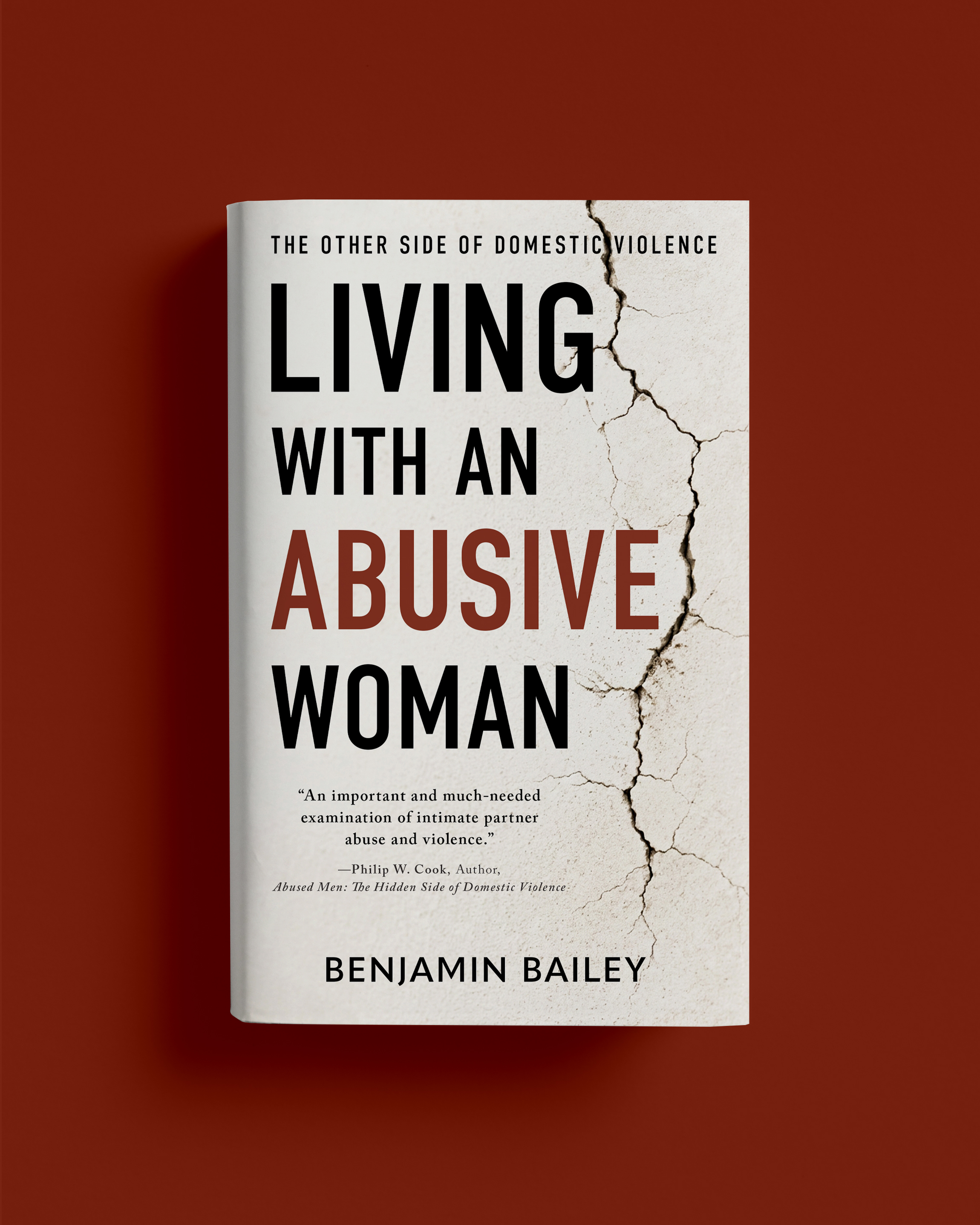
I am well aware that the title of this book makes many people uncomfortable, particularly women. Domestic violence is one of the most emotionally charged subjects in our society, and discussions of male victims are often perceived as diminishing women's suffering. That has never been my intention.
I wrote this book because, after many years as a social worker, psychotherapist, and researcher, I became convinced that it gives voice to a real yet largely overlooked reality. Men living with abusive partners not only exist, but their experiences are far from marginal. They carry profound consequences for men themselves, for their children, and ultimately for families and communities. These experiences are well documented in both clinical practice and academic research, yet they often remain absent from public discussion and professional intervention.
As uncomfortable as this subject may be, I believe that acknowledging it helps us develop a more complete understanding of domestic violence rather than a competing one. Recognizing one overlooked group does not diminish the suffering of another. On the contrary, a broader understanding of intimate partner violence ultimately benefits everyone by improving our ability to recognize abuse and respond to it more effectively.
My hope is that this book offers recognition to those who need it, broadens the conversation about intimate partner violence, and contributes to reducing violence within intimate relationships - for women and men alike, and especially for the children who grow up in its shadow.
Chapter One—Ten Representative Cases—serves as the emotional core of the book. Through ten detailed monologues drawn from clinical testimonies, it illustrates recurring patterns of coercive control, entrapment, and institutional bias. David, a CEO, is "removed" from his home when his ex-wife changes the locks while he is hospitalized; his story exposes "maternal gatekeeping." Adam, a business owner, describes living in a "madhouse" where his wife assaults him repeatedly; police interrogate him, not her. Michael has a plate smashed into his face while feeding his son; despite her admission to police, the welfare system sends her to a shelter and gives her custody for two years. Daniel becomes emotionally dependent on his demeaning ex-wife and ends up living in a friend's backyard. Benjamin loses hundreds of thousands to his wife's online shopping; she cuts his clothes, hides his car keys, and files false reports of sexual harm. Jacob is labeled a "wanted man" for child support he cannot afford. Jonathan is literally "locked in the shower" by his wife; he is sent to anger management after she coaches their son to falsely claim abuse. Aaron films his wife attacking him as protection; a social worker tells him "punches to the head are not violence." Samuel is "barred from the city" after trying to see his children. Gabriel proves his wife lied to police with timestamped photos, yet is still restricted to one supervised hour per week with his son for eighteen months. These stories establish recurring themes: inability to obtain police protection, weaponization of custody laws, humiliation of being labeled an abuser despite being the primary victim, and profound shame that prevents seeking help.