
Blog

Blog

The lives of boys and men are shaped by countless everyday questions that rarely have simple answers.

These blog posts encourage thoughtful reflection and contribute to a broader conversation about what it means to live well, relate well, and grow well as men.

  • YouTube Thumbnail

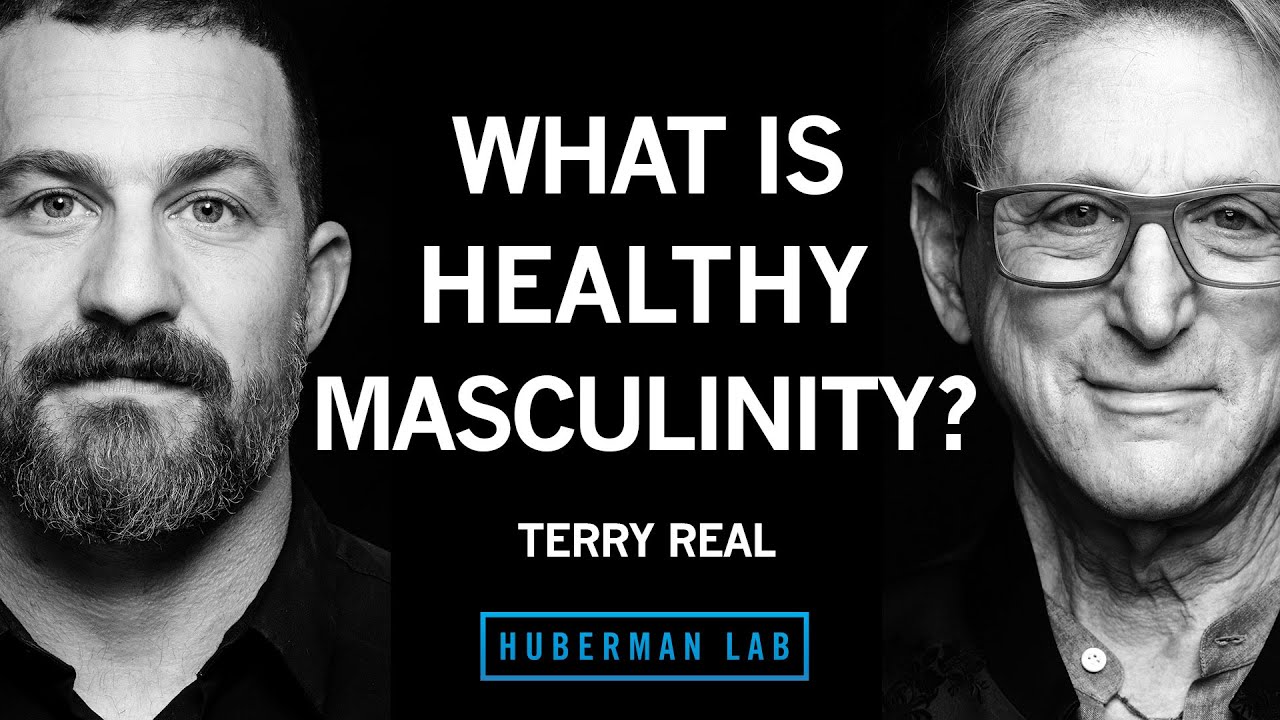
    I recently listened to a thoughtful, honest, and straightforward conversation on the Huberman Lab podcast, where Andrew Huberman hosted Terry Real—a renowned psychotherapist, bestselling author, and one of the leading voices on men's emotional lives and relationships.

    Their conversation revolved around a central question: What is healthy masculinity, and how do men actually build it?


  • Why do societies so often elevate men who seek power, yet so rarely produce leaders truly worthy of it?

    When we think about healthy versus problematic masculinity—whether in individual men or across entire societies—political leadership quickly comes into focus. Again and again, one absence stands out: the Good King.

  • YouTube Thumbnail

    This short TED Talk (11 minutes) presents the story of one of the most important longitudinal studies ever conducted on human wellbeing: The Harvard Study of Adult Development.

    What makes this study unique is its duration. It tracks lives across decades—from adolescence into old age—asking one of the most fundamental human questions: What makes us happy?

  • YouTube Thumbnail

    Louis Theroux is an insightful documentary filmmaker known for exploring unusual and provocative human phenomena around the world. His latest documentary, released on Netflix in March 2026, focuses on the manosphere.

  • YouTube Thumbnail

    "Goodbye, girls..."

    The older boys laugh as they walk away. The younger boys stand frozen. They were never a threat. They had done nothing to provoke a fight. Yet they have just been publicly humiliated, intimidated, and reminded of their place in the masculine hierarchy.

    The final insult is revealing. The older boys don't call them weak. They don't call them stupid. They call them girls.

  • YouTube Thumbnail

    One of the greatest influences fathers have on their children rarely comes through lectures or advice. It comes through everyday life.

    Long before children fully understand what we tell them, they carefully observe how we live. They watch how we treat their mother, how we respond when frustrated, whether we keep our promises, how we speak to strangers, how we recover after making mistakes, and whether we genuinely enjoy spending time with them. Whether fathers realize it or not, they are constantly teaching—even when they say nothing.